My First Day in Abu Dhabi
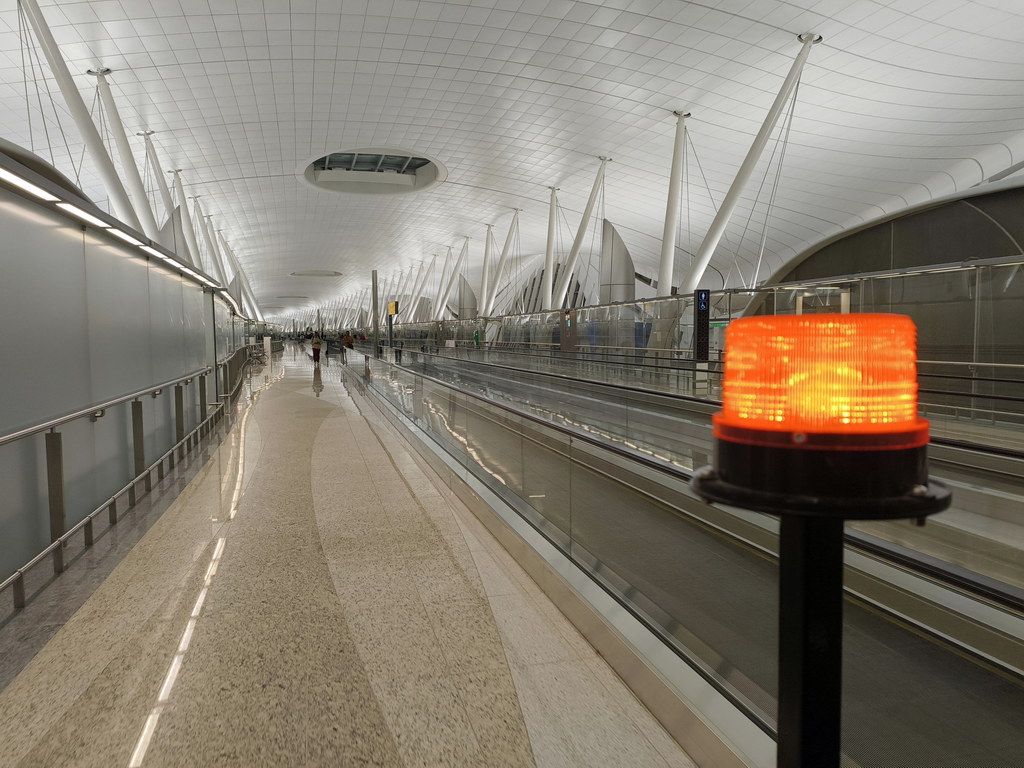
The wheels of our Air Arabia flight kissed the tarmac of Zayed International Airport, Abu Dhabi, at precisely 6:40 AM. As I peered out of the window, the sprawling, opulent airport unfolded before me like a prologue to the extravaganza that awaited in the days ahead—a teaser for indulgence in a world of luxury, curated to perfection. Navigating through the airport, I found the trek to the baggage claim surprisingly refreshing, treating it as an impromptu morning walk. For those less inclined to such enthusiasm, sleek conveyor belts and complimentary transfer taxis offered an effortless alternative.
Immigration was seamless, baggage retrieval efficient, and outside, the city greeted us with an orderliness rarely witnessed in Kolkata. Taxis queued with precision, and our chosen ride—a plush Mercedes family cab—effortlessly accommodated us along with six sizeable suitcases, still leaving ample room for more.
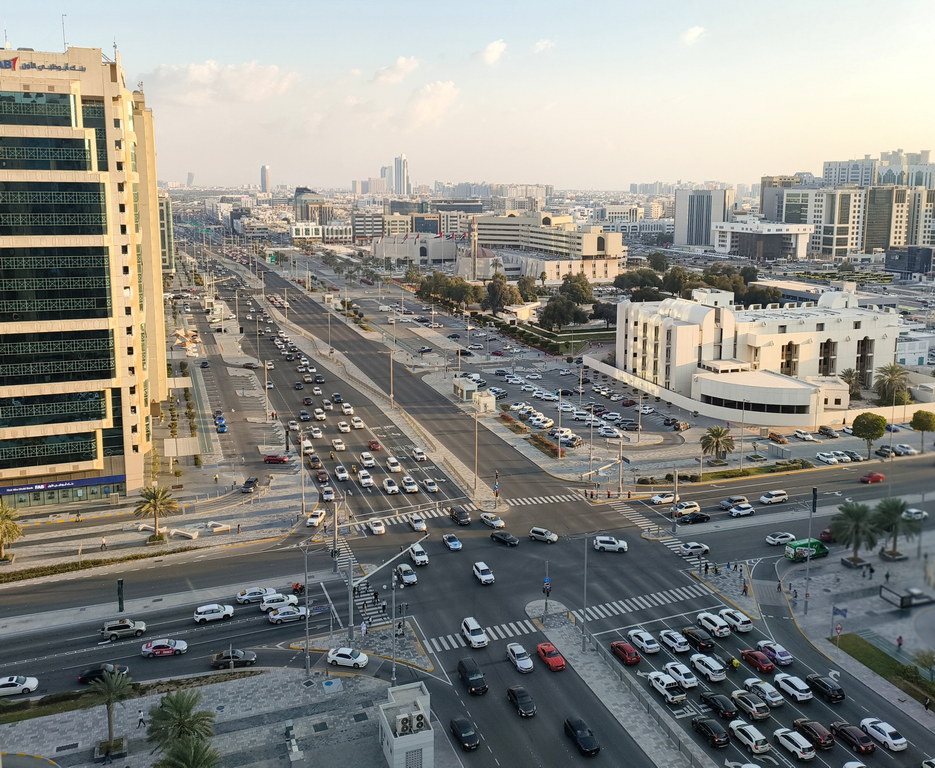
By the time we reached our host’s apartment, the sun had fully risen—later than what I was accustomed to back in India. Sinking into the comfort of a sofa, I sipped on the rich, aromatic Turkish coffee offered as a welcome drink. Just as I began to relax, a strange, persistent gushing sound caught my attention. It was unmistakably familiar—the rhythmic roar of ocean waves crashing onto a golden shore. But I hesitated. Despite my limited knowledge about Abu Dhabi’s geography, I knew that the sea lay at Corniche and wasn’t anywhere near our host’s centrally located urban dwelling. What, then, could be mimicking this oceanic symphony?
Curious, I stepped onto the balcony of our 14th-floor apartment. The revelation was astonishing. Below me, the city’s wide, billiard-smooth roads were teeming with limousines and luxury sedans, surging forward with breathtaking speed. It wasn’t water waves crashing on the shore—it was waves of accelerating cars slicing through the city, their collective rush producing the illusion of a restless ocean.
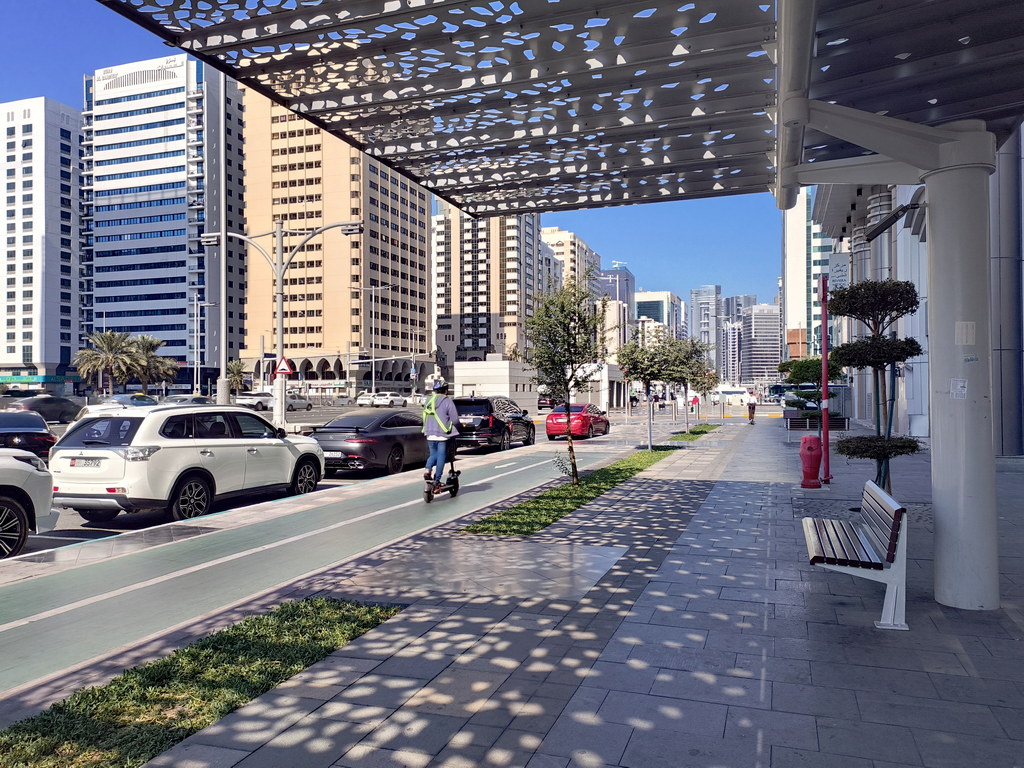
Eager to immerse myself further in this urban dynamism, I descended to the pavement, finding a seat among the neatly arranged benches. The city’s thoughtfulness in urban planning was immediately evident—the sidewalks were divided into dedicated sections, including one for cyclists. Parking zones were seamlessly integrated within pavement areas, ensuring the main roads remained unclogged and unobstructed.
But it was the roads themselves that left an indelible impression. Once the traffic light turned green, cars bolted ahead in synchronized bursts, the symphony of humming engines with restrained fury venting their wrath into the ether. There were no honking horns, no smoke-belching vehicles—only the clean, controlled cadence of modern engineering at its finest. The signaling system synchronized impeccably; matched with everything was the top-notch discipline displayed by the drivers.
Pedestrians, however, were second in command on the main roads, confined to zebra crossings and dictated by favorable pedestrian signals.
But in the by-lanes, the hierarchy shifted—here, pedestrians reigned supreme, and the most extravagant cars would come to a patient halt, waiting for every last walker to clear the path. I was told that any car-owner involved in a mishap faced a staggering fine—an incentive that ensured order and respect on the streets. Quite an amazing orderliness.
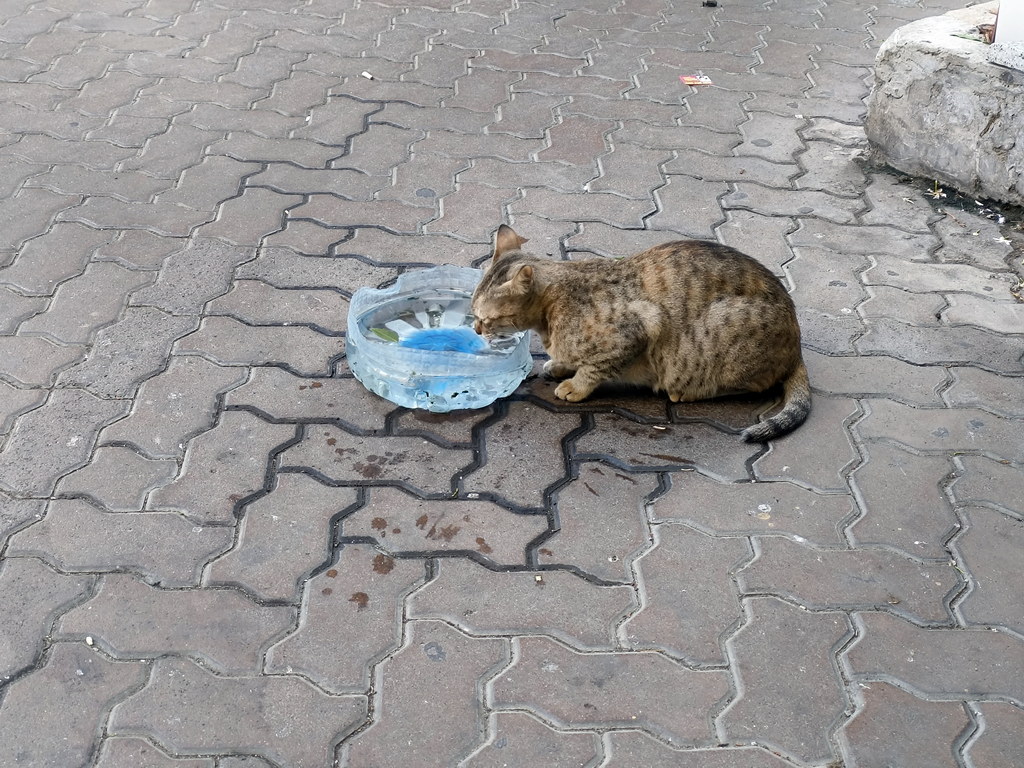
And then, amidst this mechanical perfection, I stumbled upon an unexpected sight that I was not quite expecting. It warmed my heart. A small cluster of doves strolled unhurriedly along the pavement, pecking leisurely at scattered grains. Nearby, a contented cat lapped water from a blue bowl, thoughtfully placed for strays. These tiny, beautiful imperfections—a fragile rebellion against the city’s structured efficiency—brought a smile to my face. Even within the calculated rhythm of Abu Dhabi’s fast-paced life, I already had glimpsed a quiet, soulful harmony.